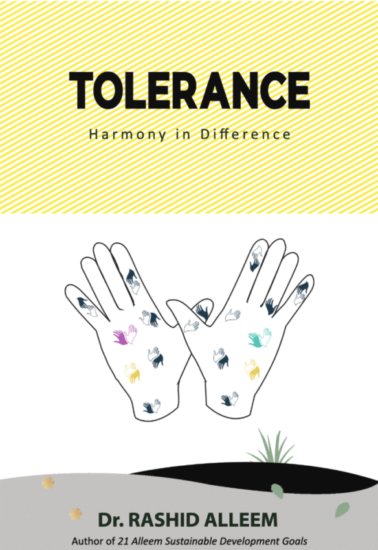

An inspiring exploration of tolerance, mutual respect, and the power of embracing human diversity to build a more peaceful world.
In a world increasingly connected by technology yet divided by cultural, religious, and ideological differences, Tolerance: Harmony in Difference offers a meaningful perspective on building understanding, compassion, and peaceful coexistence.
Written by Dr. Rashid Alleem, this thought-provoking book explores tolerance as an active commitment to empathy, acceptance, and shared responsibility. Drawing on international human rights principles, historical experiences, and diverse cultural perspectives, it encourages readers to recognize the value of differences and contribute to a more inclusive society.
Tolerance • Human Diversity • Social Harmony
Discover the power of empathy, acceptance, and mutual respect in building a peaceful and inclusive world.
Written by Dr. Rashid Alleem
In an era of rapid global transformation, technological advancement, and increasing cultural interaction, humanity faces a profound challenge. While the world has become more connected than ever before, ideological polarization, religious misunderstandings, racial divisions, and cultural conflicts continue to threaten social harmony.
In Tolerance: Harmony in Difference, visionary author and global thought leader Dr. Rashid Alleem presents an inspiring exploration of how individuals, communities, and societies can overcome these divisions through understanding, respect, and shared responsibility.
Drawing inspiration from international human rights declarations, historical milestones, and real-world examples of human kindness, the book demonstrates that tolerance is not simply about enduring differences. It is an active commitment to appreciating diversity, respecting human dignity, and choosing peaceful coexistence.
The UNESCO Declaration of Principles on Tolerance emphasizes that tolerance involves respect, acceptance, and appreciation of the diversity of the world's cultures, expressions, and ways of life.
Dr. Rashid Alleem highlights this principle to demonstrate that genuine tolerance requires more than passive acceptance. It calls for conscious understanding, empathy, and a willingness to recognize the dignity of every individual.
Respect: Recognize the dignity, rights, and worth of individuals regardless of their beliefs, backgrounds, or cultural identities.
Acceptance: Understand that differences are a natural and valuable part of human society rather than barriers to peaceful relationships.
Appreciation: Celebrate the richness of cultural traditions, perspectives, and ways of life that contribute to shared human experience.
Shared Responsibility: Recognize that building peaceful communities requires conscious action and cooperation from individuals and institutions.
Modern globalization has created remarkable opportunities for communication, cooperation, and cultural exchange. However, increased connectivity does not automatically produce understanding.
Differences in religion, ideology, traditions, and personal beliefs can lead to misunderstanding when individuals and societies fail to approach one another with empathy and respect.
Cultural Understanding: Develop greater appreciation for different traditions, values, and ways of life while recognizing our shared humanity.
Religious Harmony: Encourage respectful relationships between individuals and communities representing different religious beliefs.
Social Inclusion: Recognize the importance of protecting human dignity and creating environments where individuals feel respected and valued.
Peaceful Coexistence: Understand how dialogue, patience, and mutual respect can help reduce unnecessary conflict and strengthen communities.
One of the book's central themes is the importance of understanding tolerance through different cultural, religious, and philosophical perspectives.
By bringing together insights from Islam, Christianity, Hinduism, Judaism, and secular humanism, Dr. Alleem highlights the significance of compassion, respect, and shared ethical values across diverse communities.
Tolerance plays an important role in protecting fundamental human rights and encouraging societies to recognize the value of every individual.
Through references to international declarations and historical developments, the book emphasizes the connection between peaceful coexistence, human dignity, and the responsibility to protect individual freedoms.
Human Dignity: Recognize that every person deserves respect and fair treatment regardless of background or belief.
Equality and Inclusion: Encourage societies to provide opportunities for participation and mutual understanding across diverse communities.
Freedom of Belief: Understand the importance of respecting different religious, cultural, and philosophical viewpoints.
Peaceful Dialogue: Promote communication and cooperation as constructive alternatives to prejudice, hostility, and division.
True tolerance begins with personal awareness and becomes meaningful through daily choices, relationships, and interactions.
Dr. Rashid Alleem encourages readers to consider how their own attitudes, assumptions, and behaviors contribute to either greater understanding or unnecessary division.
The responsibility for promoting tolerance extends beyond individuals. Educational institutions, community organizations, governments, and social leaders also influence how differences are understood and respected.
Education and Awareness: Encourage learning experiences that introduce diverse perspectives and develop cultural understanding from an early age.
Community Leadership: Support initiatives that bring different groups together through dialogue, cooperation, and shared objectives.
Responsible Policies: Recognize how fair laws, inclusive policies, and institutional practices can contribute to peaceful coexistence.
Individual Contribution: Understand how everyday decisions and acts of kindness can help strengthen trust and social harmony.
Draws inspiration from the UNESCO Declaration of Principles on Tolerance and international human rights principles.
Explores tolerance through a variety of religious, cultural, and philosophical perspectives.
Encourages readers to move beyond passive acceptance and develop genuine empathy and mutual understanding.
Connects individual choices with broader social issues, including inclusion, human rights, and peaceful coexistence.
Provides thought-provoking perspectives relevant to educators, students, community leaders, policymakers, and general readers.
Tolerance: Harmony in Difference is written for readers who believe that greater understanding, empathy, and respect can help create a more peaceful and inclusive world.
Order your copy of Tolerance: Harmony in Difference and discover an inspiring exploration of human diversity, mutual respect, and the power of tolerance to create more compassionate and peaceful communities.