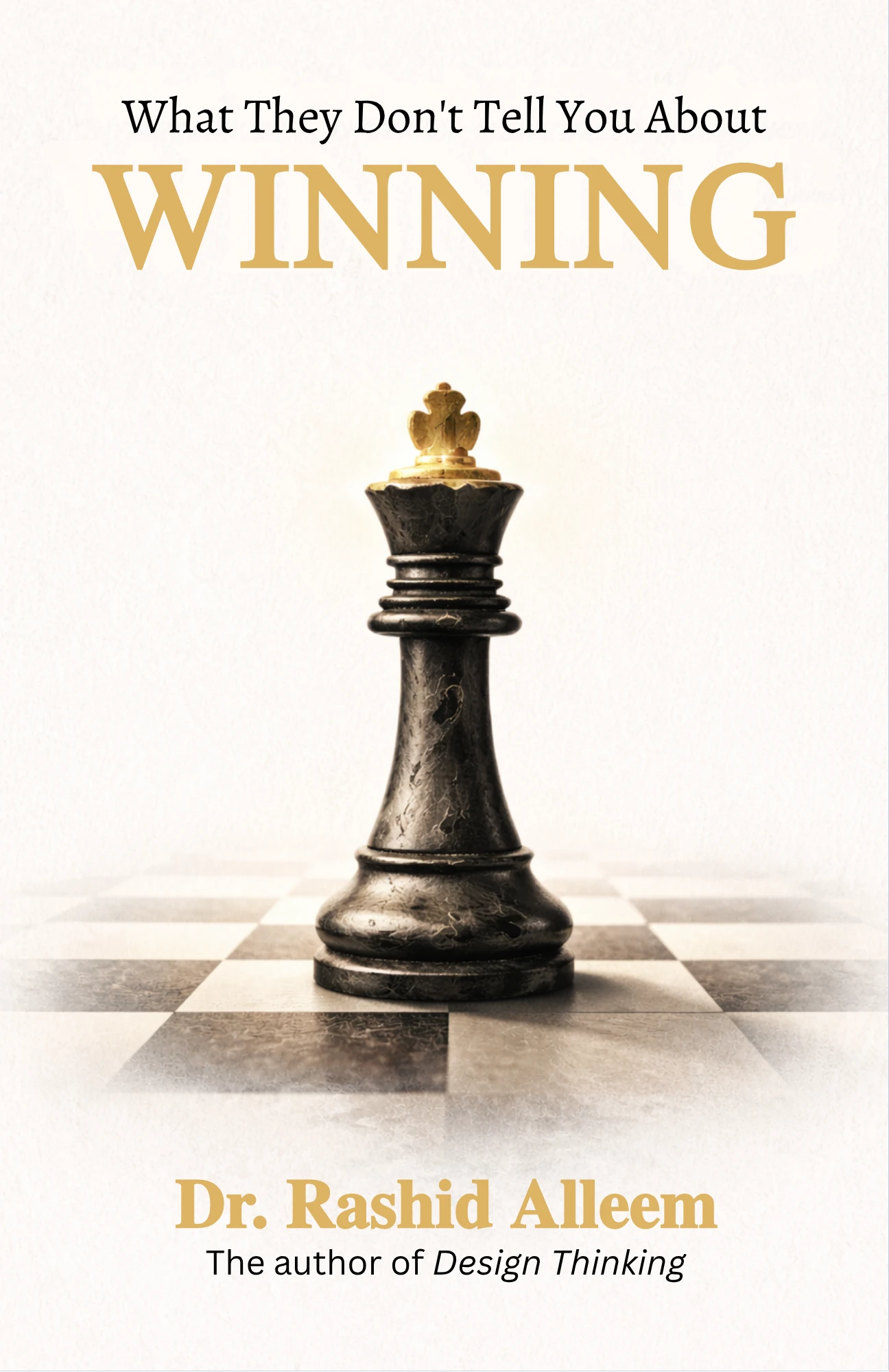

.jpg.jpeg)
A practical leadership guide to building stronger teams through trust, alignment, accountability, and the 21 critical traits of team dynamics.
Great teams are not built on intelligence alone. The Alleem 21 Critical Traits of Team Dynamics explores the human qualities that transform talented individuals into high-performing, collaborative teams.
Drawing on more than two decades of leadership experience, Dr. Rashid Alleem introduces the concept of Teamwork Quotient (TQ) and a practical 21-trait framework designed to help leaders overcome workplace friction, strengthen communication, build mutual trust, and create sustainable organizational success.
Teamwork • Leadership • Organizational Excellence
Discover the 21 essential traits that transform talented individuals into aligned, resilient, and high-performing teams.
Written by Dr. Rashid Alleem
Organizations invest heavily in recruiting exceptional talent, introducing advanced technology, and developing sophisticated management systems. Yet even the most intelligent teams can struggle with internal conflict, poor communication, unclear responsibilities, and a lack of mutual trust.
In The Alleem 21 Critical Traits of Team Dynamics, Dr. Rashid Alleem explores why intelligence and technical expertise alone cannot guarantee organizational success. The book introduces a powerful concept known as Teamwork Quotient (TQ), the collective ability of individuals to interact, align, and execute effectively as one team.
Drawing on more than twenty years of executive leadership, coaching, and organizational transformation, Dr. Alleem presents a practical 21-trait framework designed to help leaders build stronger relationships, overcome workplace challenges, and create teams capable of delivering sustainable results.
Bringing highly skilled individuals together does not automatically create a successful team. Without psychological safety, shared purpose, and clear communication, even exceptional professionals may struggle to collaborate effectively.
Intelligence Alone Is Not Enough: Technical expertise and individual ability cannot overcome organizational problems caused by mistrust, competing priorities, and unresolved conflicts.
The Power of Teamwork Quotient: Learn how collective trust, communication, shared understanding, and coordinated action contribute to effective team performance.
A Framework for Better Teams: Explore 21 critical traits that help organizations develop healthy team relationships, stronger collaboration, and lasting performance.
The principles behind this book were developed through Dr. Rashid Alleem's personal leadership experiences rather than academic theory alone.
At the age of twenty-four, Dr. Alleem became the volunteer General Manager of a large nonprofit organization in the United Arab Emirates dedicated to global poverty relief. Despite assembling a team of nine highly intelligent senior executives, internal disagreements, competing egos, and communication failures created serious organizational challenges.
Traditional management approaches, including additional meetings, reports, and administrative processes, failed to address the underlying issues. Through guidance from his mentor, Ahmed, Dr. Alleem came to recognize that successful teams must be developed intentionally through the right organizational conditions and human qualities.
This experience became the foundation of his continuing exploration of teamwork and leadership, ultimately contributing to the development of the Alleem 21 framework.
The book organizes its 21 essential team traits into four progressive development modules. Together, they provide a structured approach to strengthening team foundations, improving collaboration, expanding organizational impact, and supporting long-term growth.
The Foundation: Establish the essential conditions for healthy teamwork through psychological safety, trust, shared purpose, role clarity, decision authority, and mutual respect.
Dynamic Interaction: Improve everyday team effectiveness through strategic listening, constructive conflict, efficient alignment, disciplined execution, and adaptive learning.
Strategic Amplification: Extend team effectiveness across the organization through stronger cross-functional relationships, shared information, value delivery, risk management, and documentation.
Perpetual Growth: Build sustainable organizational success through continuous improvement, personal accountability, talent development, succession planning, and a lasting leadership legacy.
Every successful team begins with a stable foundation. These six traits establish the environment in which individuals feel respected, understand their responsibilities, and work toward a shared purpose.
Once a strong foundation is established, teams must learn to communicate effectively, manage disagreements, and translate shared goals into coordinated action.
High-performing teams create greater value when their capabilities extend beyond individual departments and contribute to broader organizational success.
Sustainable teamwork requires continuous development, ethical responsibility, and a commitment to preparing future leaders. The final five traits focus on building organizations that remain effective over time.
To support long-term organizational effectiveness, the book introduces three practical commitments that encourage documentation, mentorship, and ethical leadership.
Artifact Pledge: Commit to quarterly documentation updates that preserve organizational knowledge, strengthen processes, and support operational continuity.
Mentorship Pledge: Invest in developing junior team members and preparing capable successors for future leadership responsibilities.
Ethical Filter: Make decisions that protect organizational integrity and reject short-term gains that compromise long-term values.
Introduces Teamwork Quotient (TQ) as an important dimension of collective organizational performance.
Presents 21 clearly defined team development traits organized into four progressive leadership modules.
Draws on Dr. Rashid Alleem's real-world leadership experiences and more than two decades of organizational practice.
Combines practical implementation tools, organizational case studies, and strategies for addressing common team challenges.
Emphasizes sustainable leadership through accountability, mentorship, succession planning, and ethical decision-making.
The Alleem 21 Critical Traits of Team Dynamics is designed for anyone responsible for building, managing, supporting, or contributing to successful teams.
Order your copy of The Alleem 21 Critical Traits of Team Dynamics and discover a practical framework for building trust, strengthening collaboration, improving accountability, and creating high-performing teams that deliver lasting results.